Mental Health Resources
Empowering Your Wellness Journey
Explore curated resources for crisis support, self-education, and personal growth. Find hotlines, recommended reading, and articles to support your mental health.
Crisis Hotlines
Immediate help for urgent mental health needs. National and local crisis numbers.
Recommended Books
Top books on trauma, relationships, behavioral activation, and internal family systems.
Articles, Videos & Tools
Self-help articles and evidence-based tools for stress, anxiety, and emotional wellness.
Key Resources for Support & Learning
Access immediate support or deepen your knowledge with these trusted resources. Each section is designed to help you or your loved ones on your mental health journey.

National Suicide Prevention Lifeline
Call or text 988 for 24/7, free and confidential support for people in distress.
SAMHSA Helpline
1-800-662-HELP (4357) – Substance Abuse and Mental Health Services Administration helpline for treatment and support.

Travis County Crisis Helplines
Integral Care 24/7 Crisis Helpline: 512-472-HELP (4357)
Crisis Text Line: Text “TX” to 741741

Texas 2-1-1
Dial 2-1-1, option 8 for mental health resources.
Resources for Crisis and Learning at Home
Here are some of my favorite resources for crisis support and information on trauma, emotional regulation, depression and relationship health.

What do I do if I am experiencing concerning symptoms?
If you are planning to hurt yourself or someone else or are having a medical emergency, please call 911 or have a trusted loved one take you to the Emergency Room.
If you are having suicidal thoughts or other concerning symptoms and feel that you are not an immediate safety risk to yourself or someone else but would like immediate crisis support, please call the crisis hotline at 988 to speak to a mental health specialist.
If you are a current client and can wait until the next business day to receive support, please call Holly at 512-730-0311.

Resources on complex trauma and adverse experiences
The Complex PTSD Workbook, by Dr. Arielle Schwartz
No Bad Parts: Healing Trauma and Restoring Wellness with the Internal Family Systems, by Dr. Richard Schwartz, PhD
Trauma and the Nervous System
Dr. Bessel van der Kolk on Trauma

What are your recommendations for learning about relationships and attachment?
Learn from relationship experts and researchers, John and Julie Gottman to build skills for relationship health. This site caters to couples, singles and parents. https://www.gottman.com/
Fight Right: How Successful Couples Turn Conflict into Connection, by Julie Schwartz Gottman, PhD and John Gottman, PhD
Attached: The New Science of Adult Attachment and How It Can Help You Find–and Keep–Love, by Amir Levine and Rachel Heller.
Adult Children of Emotionally Immature Parents: How to Heal from Distance, Rejecting or Self-Involved Parents, by Lindsay C. Gibson
Attachment styles explained
Attachment Style Quiz https://traumasolutions.com/attachment-styles-quiz/

Cognitive-Behavioral Strategies
TED Talk on depression
Behavioral Activation is a strategy for reducing depression and anxiety by targeting behaviors that help us re-engage with what makes life meaningful and enjoyable.
https://www.choosingtherapy.com/wp-content/uploads/2025/06/Behavioral-Activation-Worksheet.pdf
Another evidenced-based approach to combatting depression and anxiety targets the thoughts and how they affect our mood. Here’s some worksheets to help you track your thoughts, understand the most common thinking errors that negatively impact mood, and replace negative thoughts with more helpful ones.
https://beckinstitute.org/wp-content/uploads/2021/08/Thought-Record-Worksheet.pdf
See below for more resources and videos.
Ready to Take the Next Step?
Connect with Holly Bellah Therapy
If you’re looking for compassionate support or want to learn more about therapy, reach out today. Holly is here to help you on your journey.
Modalities & Methods
Evidence-Based Tools for Addressing Your Symptoms

Tools and Skills
Skills and tools for emotional regulation – The Expanded Dialectical Behavior Therapy Skills Training Manual, by Lane Pederson and Cortney Sidwell Pederson.
Journaling and the Brain
Thinking about our thoughts, Dr. Daniel Amen
What is mindfulness?
My favorite website for all things ADHD is www.ADDitudemag.com

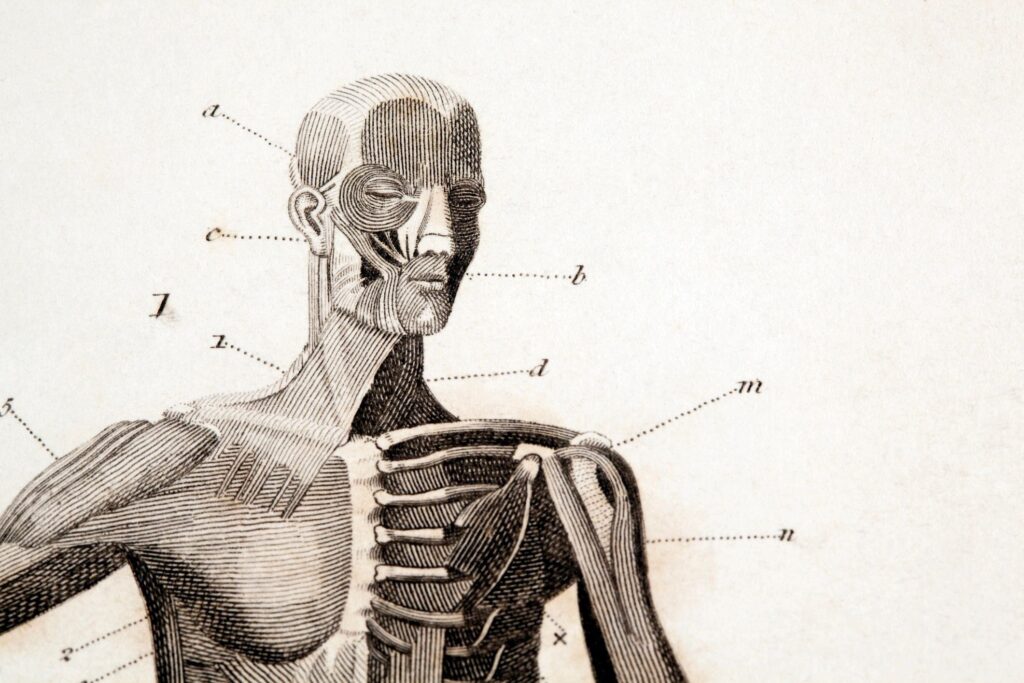
Polyvagal/Nervous System Strategies

Miscellaneous resources
Alcoholics Anonymous
SMART Recovery
The Power of Vulnerability, by Dr. Brene Brown
Additional Modalities
Personalized, Compassionate Care

Polyvagal-Informed Therapy
Incorporates understanding of the nervous system to support emotional regulation and healing.

Strengths-Based Approach
Focuses on clients’ inherent strengths and resilience to foster growth and self-efficacy.

Collaborative Care
A partnership between therapist and client, honoring each person’s expertise and voice in the process.

Culturally Aware Practice
Respecting and integrating clients’ cultural identities and experiences throughout therapy.
“The journey of a thousand miles begin with a single step.” ~ Lao Tzu